Explore our network of country and industry based websites to access localized information, product offerings, and business services across our group.
Log in to start sending quotation requests for any product.
Don't have an account? Sign Up Here
Home Unlocking High-Performance Coatings with Glycerol Hydrogenated Ester Rosin
Trade Insights | Applications and Buyers | 31 March 2026
Introduction
The Asian Coatings Market: A Landscape of Innovation
What is Glycerol Hydrogenated Ester Rosin? A Deep Dive
Key Benefits and Features for Coating Formulators
Primary Applications in High-Performance Coatings
Sourcing Quality Pine Chemicals in Asia: A Strategic Guide
Conclusion
The industrial and protective coatings sector across Asia is undergoing a transformative phase, driven by rapid urbanization, infrastructural mega-projects, and stringent environmental regulations. In this competitive landscape, formulators are constantly seeking advanced raw materials that offer a superior balance of performance, sustainability, and cost-effectiveness. Among these, specialty resins derived from renewable resources are gaining significant traction. Glycerol Hydrogenated Ester Rosin stands out as a premier example of such an innovation, offering a unique set of properties that address the evolving demands of modern high-performance coatings.
This article delves into the critical role of Glycerol Hydrogenated Ester Rosin and its parent material, gum rosin, within the Asian coatings industry. We will explore the market dynamics, the intrinsic properties of this advanced pine chemical, its multifaceted benefits, and its diverse applications. Furthermore, we will provide insights into the strategic sourcing of these essential materials from reliable regional partners, highlighting platforms like chemtradeasia.com and its network, which serve as vital connectors in the supply chain.
Asia-Pacific is not only the largest but also the fastest-growing coatings market globally, accounting for over 50% of worldwide demand. Countries like China, India, Japan, South Korea, and the ASEAN nations are at the forefront of this growth. The surge is fueled by massive investments in infrastructure—from smart cities and transportation networks to energy facilities—all requiring durable protective coatings. Simultaneously, the region's booming automotive, electronics, and packaging industries demand specialized coatings with precise functional attributes, such as excellent adhesion, chemical resistance, and aesthetic appeal.
Parallel to this growth is a powerful regulatory and consumer-driven shift towards sustainability. Governments are implementing stricter VOC (Volatile Organic Compound) regulations, pushing formulators to develop water-based, high-solid, and powder coatings. This is where bio-based materials like pine chemicals become strategically vital. Derived from the tapped sap of pine trees, these materials offer a renewable, often lower-carbon-footprint alternative to purely petroleum-based resins. The ability to leverage natural, sustainably sourced ingredients like gum rosin and its derivatives provides a competitive edge in markets increasingly conscious of environmental impact.
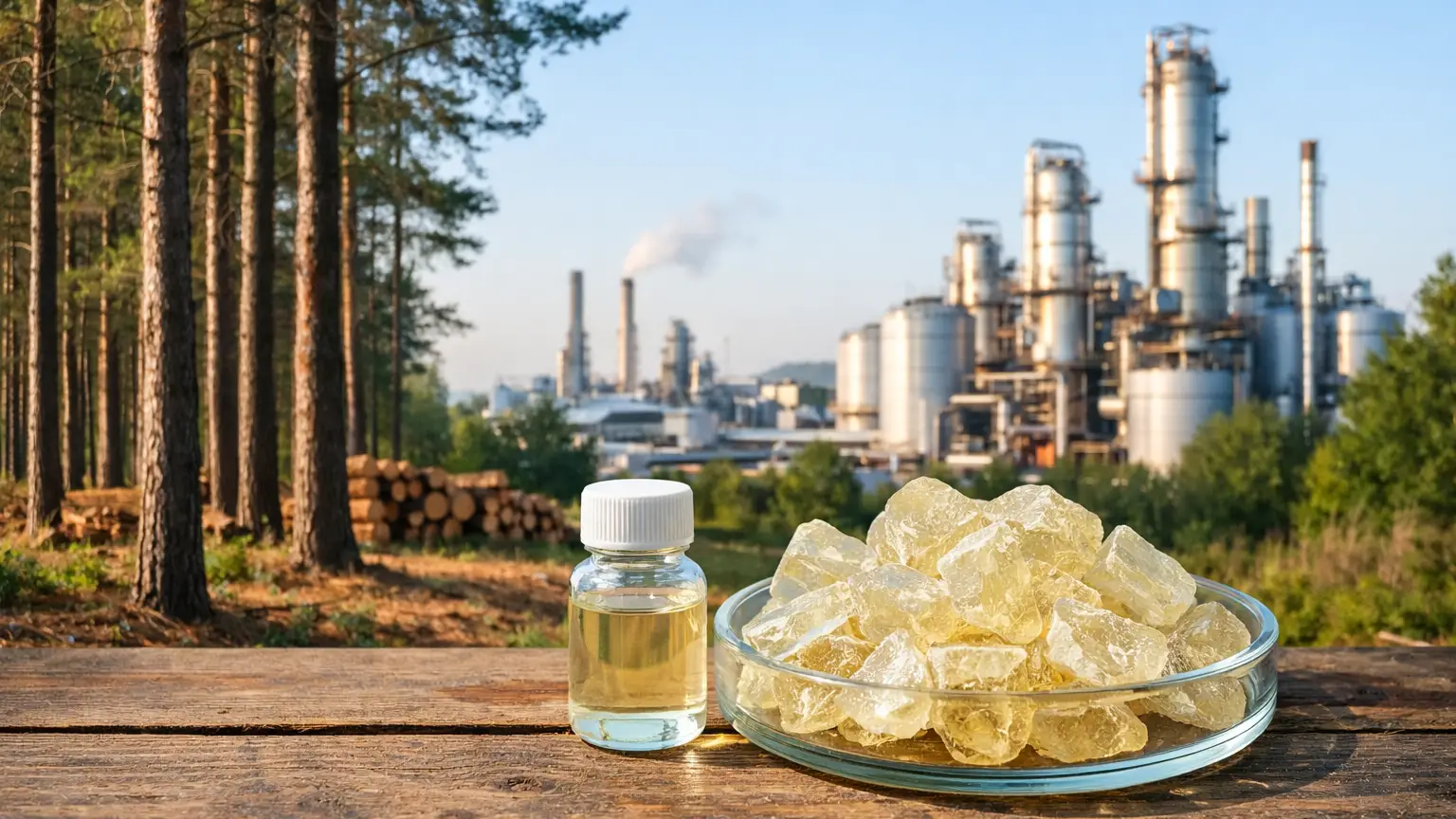
Glycerol Hydrogenated Ester Rosin is a sophisticated, modified resin produced through a two-step process from crude gum rosin. First, the rosin undergoes hydrogenation, a chemical reaction that adds hydrogen to its molecular structure. This process saturates the reactive double bonds present in the abiotic and pimaric-type acids within rosin. The result is a hydrogenated rosin that exhibits dramatically improved color stability (becoming very light or water-white), enhanced resistance to oxidation, and reduced tendency to crystallize. In the second step, this stabilized hydrogenated rosin is esterified with glycerol, a natural alcohol.
Esterification transforms the acidic resin into a non-acidic, high-molecular-weight polyester. This modification is crucial for coating applications. It raises the softening point significantly (typically to a range of 80-90°C), improves compatibility with a wider array of polymers and solvents, and imparts excellent thermal stability. The final product is a hard, thermoplastic resin that is odorless, pale in color, and possesses outstanding aging characteristics. Unlike unmodified rosin, it will not darken or become brittle over time when exposed to heat and light, making it ideal for demanding applications.
The unique chemical structure of Glycerol Hydrogenated Ester Rosin translates into a compelling portfolio of benefits for coating formulators. First and foremost is its exceptional color and thermal stability. This ensures that coatings maintain their intended hue and gloss over extended periods, even in outdoor or high-temperature environments, a critical factor for architectural, automotive, and industrial maintenance paints. Secondly, it offers superb adhesion promotion to a variety of substrates, including metals, plastics, and treated surfaces, thereby enhancing the coating's durability and protective lifespan.
Another significant feature is its role as a versatile modifying resin. It can be blended with other film-forming agents like alkyds, acrylics, polyurethanes, and vinyls to tailor specific properties. For instance, it can improve gloss development and hardness in nitrocellulose lacquers, enhance sanding properties in primer formulations, and increase the toughness of hot-melt adhesives used in packaging coatings. Furthermore, its compatibility with both solvent-based and, in properly formulated systems, certain water-based technologies provides formulators with flexibility in meeting diverse regulatory and performance requirements across different Asian markets.
The application spectrum for Glycerol Hydrogenated Ester Rosin in Asia's coating industry is broad and aligned with key growth sectors. In the packing industry, it is a critical component in high-performance inks and overprint varnishes for food packaging, labels, and flexible films. Its excellent adhesion to treated polyolefins, fast setting speed, and low odor are paramount here. For wood coatings, including furniture lacquers and flooring finishes, it contributes to rapid drying, high gloss, and outstanding sandability in primer layers, meeting the aesthetic and functional demands of both mass production and artisanal craftsmanship prevalent in regions like Vietnam, Indonesia, and Malaysia.
Within industrial and protective coatings, its utility is equally pronounced. It is used in marine and anti-corrosive primers to boost adhesion to steel and other metals, forming a robust barrier against moisture and salts. In the electronics sector, it finds use in conformal coatings and potting compounds that require stable dielectric properties and protection from environmental stressors. The product's consistency and purity, as supplied by reputable sources accessible through platforms like chemtradeasia.sg or pinechemicalsasia.com, ensure batch-to-batch reliability that is non-negotiable for these precision applications.
For coating manufacturers operating in Asia's diverse and complex market, sourcing high-quality, consistent pine chemicals is a strategic imperative. Variability in raw material quality can directly compromise coating performance, leading to product failures and reputational damage. Therefore, partnering with established, knowledgeable suppliers and distributors is crucial. These partners should not only provide the material but also offer technical support, regulatory guidance (such as access to MSDS/SDS), and reliable logistics tailored to the specific needs of markets from the Middle East to Southeast Asia.
Digital B2B platforms have become indispensable tools in this sourcing process. A network like the one represented by chemtradeasia.com, with its localized portals such as chemtradeasia.in for India, chemtradeasia.co.id for Indonesia, and chemtradeasia.ae for the Middle East, provides a centralized resource. These platforms connect buyers with vetted suppliers of Glycerol Hydrogenated Ester Rosin and other gum rosin derivatives. They facilitate comparison, streamline procurement, and provide market intelligence, helping businesses navigate tariffs, certifications, and regional quality standards efficiently, ensuring a secure and optimized supply chain.
Glycerol Hydrogenated Ester Rosin exemplifies the innovation driving the next generation of high-performance coatings in Asia. By marrying the renewable origin of pine chemicals with advanced chemical modification, it delivers the color stability, adhesion, durability, and formulation flexibility that modern industries require. As sustainability and performance continue to converge, the strategic importance of such bio-based, high-quality resins will only intensify. For forward-thinking formulators, integrating this versatile material represents a clear path to developing products that are not only competitive today but are also future-ready.
For coating manufacturers and formulators across Asia, from Japan to the UAE, understanding and leveraging the properties of Glycerol Hydrogenated Ester Rosin is a key competitive advantage. By sourcing through reliable channels that ensure quality and consistency, businesses can unlock new possibilities in product development and meet the sophisticated demands of a rapidly evolving market.
Disclaimer: This article is for informational and market insight purposes only. It is not intended as technical, safety, or professional advice. The information presented regarding product properties, applications, and market trends should be verified independently. For specific applications, formulations, or safety handling, it is strongly advised to consult directly with technical experts, refer to official product documentation and safety data sheets (SDS/MSDS), or contact our specialist team for tailored guidance.
We're committed to your privacy. Tradeasia uses the information you provide to us to contact you about our relevant content, products, and services. For more information, check out our privacy policy.


 English
 Indonesian
 简体字
简体字
 العربية
 Español
 Français
 Português
 日本語
日本語
 한국어
한국어
 Tiếng Việt